
Roberta's House News & Blog
The Work Behind Every Moment of Connection
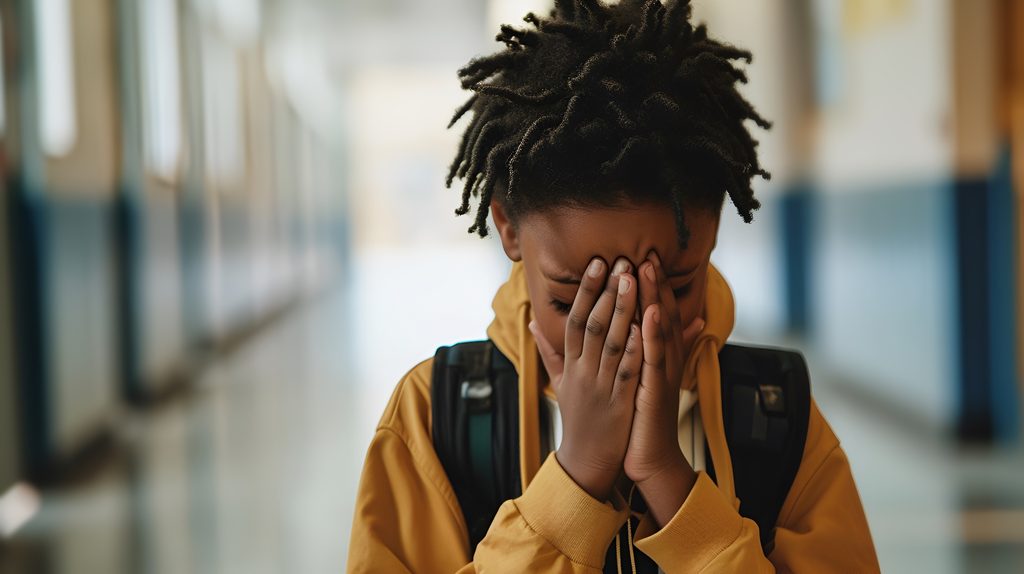
For a child grieving someone they love, connection can begin in a small moment. Another young person shares a familiar feeling. A caring adult listens without rushing to respond. An activity offers a way to express something that has been difficult to put into words. At Roberta’s House, our programs create opportunities for these moments—in…
Every Child Deserves a Place to Turn
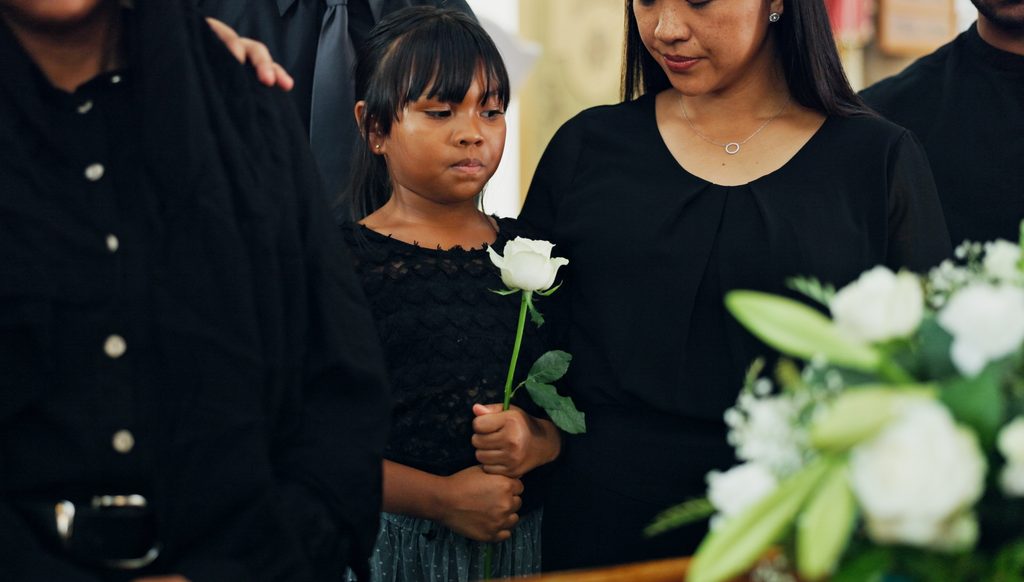
A child can walk into a classroom carrying something no backpack can hold. The absence of a mother. The memory of a brother. The longing for a grandfather who always answered the phone. We may notice a quieter voice, unfinished homework, or frustration that seems to come from nowhere. We may not know that someone…
A Path to Safety Before a Family Faces Loss: Roberta’s House Advocates for Domestic Violence Resources

When does grief begin? We often think of grief as a response to something that has already happened—a death, separation, or another clearly defined loss. But grief does not always begin after a death. Sometimes it begins with a diagnosis, a change in memory, the fear of relapse, the loss of independence, or the realization…
When AI Enters the Grief Journey

When I joined Roberta’s House as its executive director, I spent much of my first six months experiencing our programs and services firsthand. I sat in grief groups and listened as people talked about the hardest parts of life after the death of their significant person. I was especially interested in what they missed most…
Breaking the Silence: What Adults Need to Know About Teen Depression and Suicide

Young people are often remarkably resilient, but resilience should never be mistaken for invulnerability. Teenagers today are navigating academic pressure, family challenges, grief, community violence, social media, concerns about identity and belonging, and uncertainty about the future. Some are also carrying losses that the adults around them may not recognize. The data underscore the seriousness…
When Grief Goes Unspoken: Confronting Suicide with Compassion
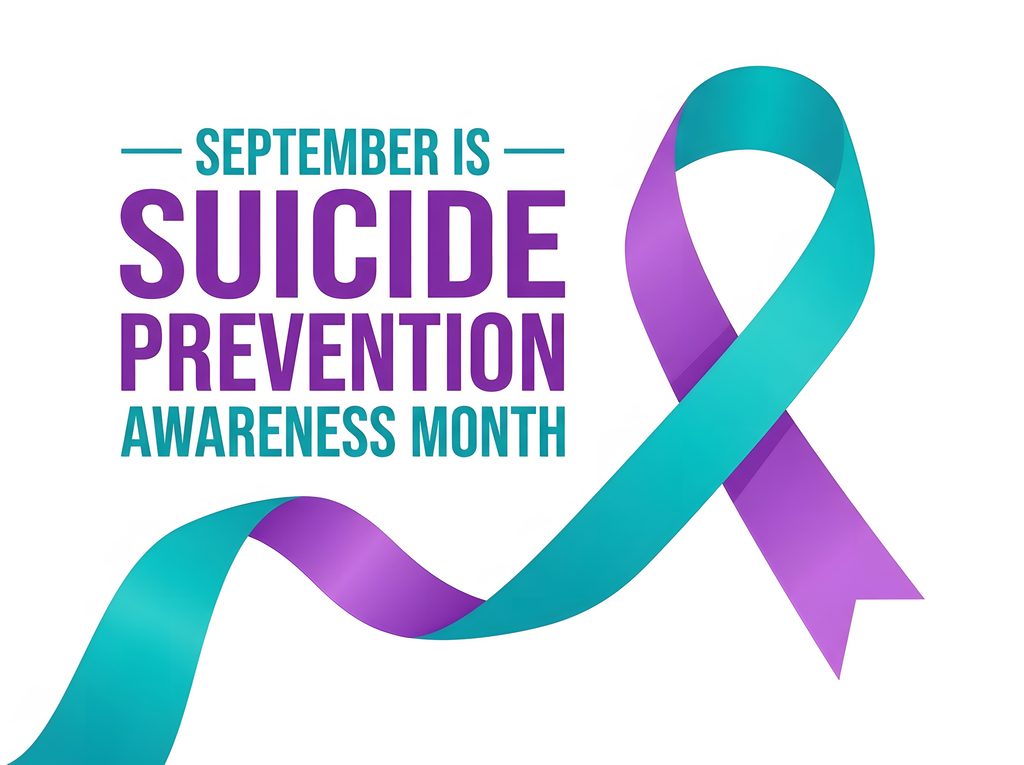
September is Suicide Prevention Month—a time to pay closer attention to the emotional well-being of the people around us and to renew our commitment to creating communities where no one suffers alone. Suicide is not a distant or abstract public-health issue. According to the Maryland Office of the Chief Medical Examiner, 610 deaths in Maryland…
Anticipatory Grief: Are We Waiting Too Long to Recognize It?

When does grief begin? We often think of grief as a response to something that has already happened—a death, separation, or another clearly defined loss. But grief does not always begin after a death. Sometimes it begins with a diagnosis, a change in memory, the fear of relapse, the loss of independence, or the realization…
Back to School, Back to Healing: Childhood Grief Belongs on the Public Health Agenda

Each August, families prepare children for a new school year by purchasing supplies, adjusting routines, completing health forms, and making plans for transportation and after-school care. Yet one form of preparation is too often overlooked: understanding the emotional burdens children may carry into the classroom. For a child who has experienced the death of a…
Caring for One Another: From Good Intentions to Shared Responsibility

At Roberta’s House, we express our commitment to community through a simple but profound promise: I care for you, you care for me, and we care for each other. When someone dies, the loss does not end after the funeral, the meal train, or the final condolence call. Grief changes daily routines, family roles, finances,…
Loss Rewrites the Future

Grief is not only the anguish of losing someone we love. It is also the disorientation of losing the future we imagined with them. We grieve the conversations we expected to have, the celebrations we assumed they would attend, and the ordinary days we believed we would share. We grieve the vacations never taken, the…
When You Try Your Best, but You Don’t Succeed

Grief often begins at the intersection of love, hope, and helplessness. We do everything we know to do. We show up. We provide care. We make the telephone calls, attend the appointments, offer encouragement, seek answers, and pray for a different outcome. We give our time, energy, and love, believing—or desperately hoping—that our efforts will…
Beyond Treatment: Why Community Connection Must Be Part of Baltimore’s Overdose Response

Baltimore has made meaningful progress in reducing overdose deaths, yet the opioid epidemic remains one of our city's most pressing public health challenges. Every overdose represents more than the loss of a life—it reflects the cumulative effects of trauma, grief, untreated behavioral health conditions, social isolation, housing instability, structural inequities, and fragmented systems of care.…
Social Connection as Public Health Infrastructure: How Roberta’s House Is Responding to America’s Epidemic of Isolation

The United States is confronting a public health crisis that receives far less attention than many chronic diseases, yet its consequences are equally profound: the epidemic of social isolation and loneliness. The evidence is compelling. Nearly half of American adults report experiencing loneliness. Civic engagement, volunteerism, and participation in community organizations have declined steadily over…
Building Stronger Communities Through Service and Connection: My Experience at the 2026 Points of Light Conference

From June 22–25, I had the privilege of representing Roberta's House at the 2026 Points of Light Conference in Washington, D.C.—the nation's largest gathering dedicated to volunteerism, civic engagement, and community service. Surrounded by nonprofit leaders, volunteer professionals, educators, and community organizers from across the country, I was reminded that while every organization serves a…
Beyond Guidelines: Reframing Safe Sleep Through Community, Communication, and Care

Ensuring every infant has a safe start remains one of our most urgent, yet preventable, public health priorities. While safe sleep guidelines have been widely established for decades, sleep-related infant deaths persist. In Maryland, sudden unexpected infant deaths (SUID)—including Sudden Infant Death Syndrome (SIDS) and accidental suffocation—remain a leading cause of post-neonatal mortality.
Pride Month Means Carrying the Names: Reflections of an LGBTQ+ Long-Term HIV Survivor

Every June, LGBTQ+ Pride Month arrives wrapped in celebration. There are rainbow flags on buildings, corporate logos change colors, music spills into the streets, and people celebrate visibility in ways my generation could barely imagine when we were young. I celebrate those moments too. I understand what they represent. But Pride has always felt more…
Healing Beyond Grief: How Roberta’s House Supports Emotional Wellness Through Behavioral Health Care

As the Director of the Behavioral Health Program at Roberta’s House, I have the privilege of walking alongside individuals and families during some of the most difficult moments of their lives. Grief changes people. It can affect emotional health, relationships, physical wellness, work, school performance, and a person’s sense of safety or hopefulness about the…
Teletherapy, In-Person Care, and the Human Connection: Choosing the Right Level of Care

As behavioral health continues to evolve, more individuals are accessing care through teletherapy. The question is no longer whether virtual care is effective—it is how it compares to in-person services, and how both fit within a broader continuum of care that continues to expand with new technologies.
Strength in the Open: A Clinical Perspective on Men’s Mental Health and the Role of Grief

May is Mental Health Awareness Month. It is an opportunity not only to raise awareness, but to advance understanding—and to correct long-standing gaps in how we approach men’s mental health. From a clinical perspective, one truth is increasingly clear: men are not experiencing fewer mental health challenges. They are simply less likely to be diagnosed, less likely…
Grief, Burnout, and the Time We Were Given

There are forms of exhaustion that sleep does not touch. Burnout is often described in the language of work—too many demands, too little time, a steady erosion of energy and focus. But when grief enters the picture, the feeling shifts. It becomes quieter, heavier, less visible from the outside. It is not only about what…