Back to School, Back to Healing: Childhood Grief Belongs on the Public Health Agenda
By Gregory Wm. Branch, M.D., MBA, CPE, FACP
Vice President, Roberta’s House
Each August, families prepare children for a new school year by purchasing supplies, adjusting routines, completing health forms, and making plans for transportation and after-school care. Yet one form of preparation is too often overlooked: understanding the emotional burdens children may carry into the classroom.
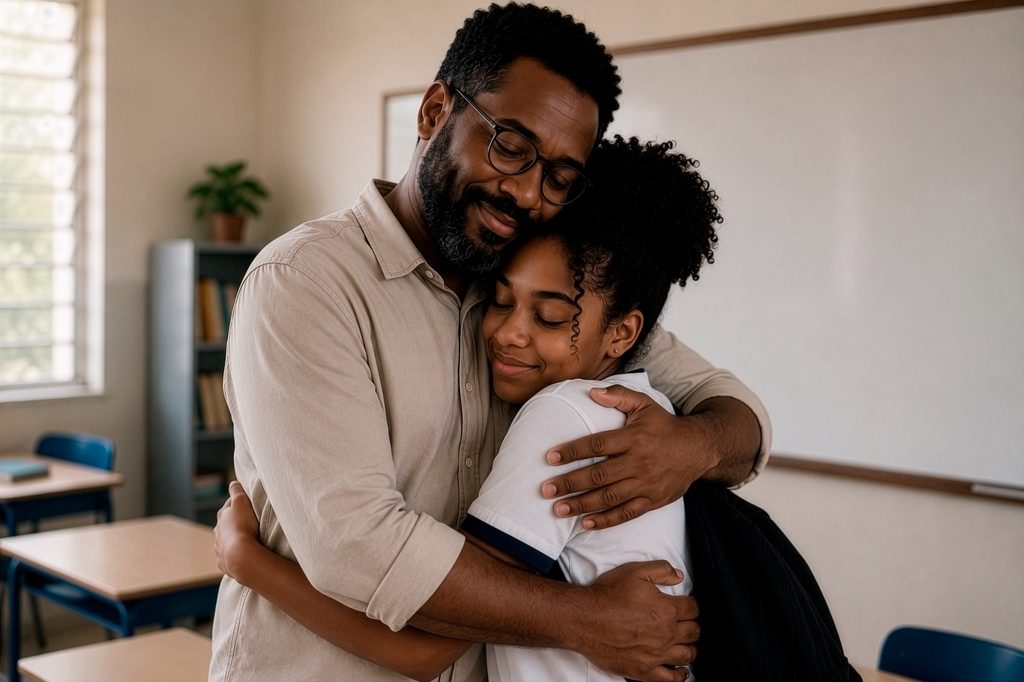
For a child who has experienced the death of a parent, sibling, caregiver, relative, friend, or classmate, returning to school can be especially difficult. The familiar rhythms of the school day may offer stability, but they can also intensify feelings of isolation, anxiety, and uncertainty. A child may be returning to the same school but living in a completely different world.
Childhood grief is often treated as a private family matter. From a public health perspective, however, grief has implications that extend beyond the home. It can influence educational achievement, mental and physical health, social development, family stability, and long-term well-being. When many children within a community are affected by homicide, overdose, suicide, chronic illness, or other forms of loss, grief becomes a population-level concern requiring a coordinated response.
Grief Can Look Like a Learning or Behavioral Problem
Children do not always have the language to explain what they are feeling. Their grief may appear as irritability, withdrawal, fatigue, restlessness, aggression, perfectionism, or a sudden loss of interest in school. Some children may experience headaches, stomachaches, difficulty sleeping, or increased fear about the safety of other family members.
Grief can also affect concentration, memory, organization, and decision-making. A student who once completed assignments easily may begin missing deadlines. A child who was socially engaged may become quiet or disconnected. Another may repeatedly ask to visit the nurse, leave the classroom, or call home.
These responses can be misunderstood as defiance, laziness, or a lack of motivation. Punitive responses may compound the child’s distress. Before asking, “What is wrong with this student?” we should consider asking, “What has happened in this student’s life, and what support might be needed?”
This does not mean that every academic or behavioral concern is caused by grief. It means that loss should be considered when schools assess changes in a student’s functioning.
Not Every Child Has Equal Access to Support
Grief touches every community, but access to healing is not distributed equally. Children in communities experiencing concentrated poverty, neighborhood violence, housing instability, limited access to behavioral healthcare, and other systemic inequities may face repeated losses without adequate opportunities to process them.
Some children are expected to demonstrate extraordinary resilience while being offered very few resources. Families may struggle to locate culturally responsive services, take time away from work, secure transportation, or navigate complicated systems of care. In some communities, grief is so widespread that it becomes normalized—even though its effects remain profound.
Public health teaches us that outcomes are shaped not only by individual choices but also by the conditions in which people live, learn, work, and grow. Supporting grieving children therefore requires more than referring individual students for counseling. It requires building environments in which compassionate, grief-informed support is readily available.
Schools Are Part of the Healing Infrastructure
Schools cannot—and should not—replace families, mental health professionals, or community-based organizations. They can, however, serve as a critical point of recognition, connection, and support.
A grief-informed school understands that grief is not resolved according to an academic calendar. A student may function well for weeks or months and then struggle around a birthday, holiday, graduation, school assignment, or anniversary of the death. Developmental changes can also cause children to revisit a loss and understand it in new ways.
Educators can help by maintaining predictable routines, offering appropriate flexibility, identifying a trusted adult within the school, and communicating with families. Simple accommodations—such as additional time for assignments, permission to take a brief break, or advance notice of potentially triggering classroom content—can help a grieving student remain engaged.
Educators do not need to have all the answers. They do need the training and resources to recognize signs of distress, respond without judgment, and connect students with appropriate support.
What Families Can Do
Families should consider informing a child’s teacher, school counselor, nurse, or administrator about a significant death or other major loss. Sharing relevant information allows the school to better understand changes in the child’s academic performance, attendance, behavior, or emotional state.
Parents and caregivers can also help by:
-
Reestablishing predictable morning, evening, and homework routines.
-
Asking open-ended questions about how the child is experiencing school.
-
Listening without immediately trying to correct or remove difficult emotions.
-
Preparing the child for questions from classmates and allowing the child to decide what they wish to share.
-
Watching for persistent changes in sleep, appetite, mood, behavior, or school participation.
-
Seeking professional support when grief significantly interferes with daily functioning or raises concerns about the child’s safety.
Children need honest, age-appropriate communication. They also need reassurance that grief is a natural response to loss and that asking for help is a sign of strength.
A Shared Public Health Responsibility
No single teacher, counselor, family, healthcare provider, or community organization can meet this challenge alone. Supporting grieving children requires coordination among schools, families, healthcare systems, behavioral health professionals, faith communities, and trusted community-based organizations.
At Roberta’s House, we understand grief care as part of the infrastructure of a healthy community. Through school-based services, peer support, education, family engagement, and community partnerships, we work to ensure that children and families have access to compassionate and culturally responsive support.
As students return to school, let us remember that readiness cannot be measured only by pencils, uniforms, schedules, and test scores. A child’s emotional well-being is inseparable from the child’s ability to learn, form relationships, and imagine a future.
When we recognize grief early, respond with compassion, and connect children to meaningful support, we do more than help them manage a difficult school year. We strengthen families, improve educational opportunity, protect long-term health, and build more resilient communities.
Childhood grief is not solely a private burden. It is a public health responsibility—and caring for grieving children is an investment in the future of us all.

Gregory W. Branch, M.D., MBA, CPE, FACP
Vice President
Roberta’s House